Christmas Gift Ideas for Adult Children: A Life-Stage Guide
Share
Choose Christmas gifts for adult children based on the life they live now, not the child you remember. Begin with the clearest information they have given you: an exact request, a repeated routine, a current goal, a space constraint, or a way they want to spend time. Then choose a gift that is easy to receive, use, schedule, store, or exchange.
This recipient-first approach leaves room for surprise without making surprise the measure of thoughtfulness. The exact item on a wish list can show that you listened. Cash can support a goal without forcing your choice. A shared experience can feel personal when the date and logistics work. The meaning can come from the match and your message rather than from price or novelty.
Start with the strongest clue your adult child has given you
The more specific the clue, the more specific the gift can be. When your information is broad or uncertain, preserve more choice for the recipient instead of making a more confident guess.
| What you know | Promising direction | What to confirm |
|---|---|---|
| They sent an exact link or wish list | The requested item, the specified version, or a contribution toward it | Model, size, color, format, seller, duplicates, and return terms |
| They repeat a routine or established interest | An exact refill, compatible accessory, wanted replacement, or easier way to enjoy it | What they own, how they use it, specifications, space, and maintenance |
| They are working toward a named goal | A no-strings contribution, requested tool, defined service, or relevant shared time | Whether help is welcome, the exact need, timing, and who makes the final choice |
| They want more time together | A flexible outing, meal, class, visit, or continuation of a family tradition | Schedule, location, travel, accessibility, companion, and who will organize it |
| They live far away or have limited space | Retailer-direct delivery, a local experience, a digital gift, or something compact and requested | Address, region, account compatibility, storage, delivery access, and redemption rules |
| They say they do not want anything | A clarifying conversation, no exchange, a letter, or a small choice-preserving gesture if welcome | Whether they mean no objects, no spending, or no gift at all |
“Adult child” describes a family relationship, not a taste profile. Labels such as son, daughter, millennial, professional, homeowner, or parent do not tell you what a person wants. “They use this exact art medium,” “they are saving for a named trip,” and “their apartment has no storage” are useful because each clue changes the decision.
Choose gift ideas for the life stage they are in now
Adult life does not follow one sequence, and people can occupy several of these situations at once. Use the closest match as a starting point, then adapt it to the person rather than treating the category as a rule.
When they are studying, training, or starting a career
Early independence can make practical support welcome, but practicality should not become a disguised instruction about how to live. Look for something the recipient has already identified as useful.
- An exact everyday upgrade: Replace a worn bag, tool, device accessory, or work basic only when you know the required size, system, material, and style.
- A contribution toward a named goal: Help with a course, trip, credential, move, or major purchase they have chosen, without attaching progress reports or decision rights.
- Credit for a place they already use: Choose the retailer, platform, transit option, restaurant, or service from their real routine rather than a place you think they should try.
- A flexible break: Offer an activity, meal, or visit that fits around exams, shifts, applications, or an irregular schedule.
- A defined piece of help: Cover or complete one task they want removed, with a clear scope and date so the gift does not become another plan they must manage.
A productivity system, fitness program, professional wardrobe, or self-improvement book may sound useful to the giver but feel like criticism to the recipient. Reserve corrective or aspirational gifts for explicit requests.
If your adult child lives in your home, still choose for them as an adult. An exact personal item, contribution toward a goal, or planned outing may fit better than a household purchase they are expected to share. Keep chores, rent, and other household agreements separate from the Christmas gift.
When they are creating a home or daily routine
A home-related gift should fit the household that actually lives there. An adult child may rent, share space, move often, prefer a different decorating style, or already own the basic item you have in mind.
- A co-chosen household upgrade with known dimensions, controls, finish, and care needs
- Repair or maintenance for something they already value and want to keep
- An exact replacement for a frequently used item, matched to the version they prefer
- A modest hosting or cooking item they requested, not an appliance that claims counter space by surprise
- A shared meal, local service, or household credit that benefits the people who live there
Large décor, furniture, appliances, plants, and pet-related gifts affect space and routines. Ask first, especially when a partner, roommate, child, landlord, or building rule is part of the decision.
When they are financially established and buy what they need
The answer does not have to be a more unusual object. Give access, attention, continuity, or an exact pleasure they would not prioritize for themselves.
- A class, performance, admission, or short outing connected to an interest they already pursue
- A higher-quality version of an exact consumable they regularly choose
- Restoration, framing, digitization, or repair of something they already want preserved
- A planned continuation of a shared ritual, with the organizing work handled
- A contribution or donation directed exactly where they requested
Do not confuse “has what they need” with “must want a novelty.” If no object improves the fit, a flexible plan, useful service, or thoughtful letter can be the more complete gift.
When they share a home with a partner
First decide whether you are giving to your adult child, the partner, or the household. A shared gift is considerate only when both people would choose it as shared.
- For the individual: Choose something tied to your adult child’s own interest, request, or routine.
- For the partner: Use information the partner has supplied or ask your adult child for guidance; keep the level of intimacy appropriate.
- For the couple: Confirm that an activity, meal, membership, or household item suits both people.
- For the household: Choose a genuinely communal benefit, and do not present a gift mainly intended for one person as though it serves everyone.
When a partner is new to the family, inclusion matters more than trying to prove instant familiarity. A modest, well-matched gesture can feel warmer than an expensive personal guess.
When they are a new parent or caregiver
Give to the adult, not only to the role they now perform. A baby item, care supply, or household purchase may help the family, but it does not automatically recognize the person receiving the Christmas gift.
- An exact personal item they requested for themselves
- A flexible meal or local service after confirming preferences, access, and timing
- A specific block of practical help they can accept, decline, or schedule
- An easy-to-pause activity or digital option that fits unpredictable free time
- A future outing presented as an invitation, not a date already imposed on the calendar
A gift of help is not complete if the recipient must design the task, supply everything, remind you repeatedly, or manage your feelings about the result. Define what you are offering and let them choose whether it would help.
When they live far away
Distance makes delivery part of the gift. Choose a format that can reach the correct place and still be easy to receive.
- Ship from a trusted retailer directly to the current address to avoid an extra mailing leg.
- Use a digital gift only when the platform, device, account, and region are compatible.
- Plan a synchronized meal, movie, game, craft, or call, allowing for time zones and household schedules.
- Contribute toward a mutually discussed visit without assuming dates, lodging, or vacation time.
- Send a compact family object, recipe, letter, or recording with enough context to make it meaningful.
Verify the address rather than spoiling the gift with a delivery failure. If the package requires a signature, pickup, refrigeration, assembly, or immediate care, confirm that the recipient can handle it.
When they want fewer things
Take “no more stuff” literally. A small decorative item can still become an unwanted storage decision.
- An exact consumable in a quantity they can use and store
- Repair, maintenance, or replacement of something they have chosen to keep
- A flexible experience that matches their schedule and location
- A digital title, service period, or platform credit for an account they already use
- A planned meal, visit, or completed task that does not transfer the organizing work
- A donation to a cause they selected, if that is how they want the occasion recognized
Select the gift format with the least hidden burden
The same idea can feel generous in one format and difficult in another. Compare what happens after the gift is opened, not only how it will look under the tree.
| Gift format | Useful when | Check before choosing |
|---|---|---|
| Physical item | You know the exact version or have strong evidence of fit | Size, compatibility, space, care, setup, delivery, and returnability |
| Cash or contribution | The recipient has a goal, wants flexibility, or would rather make the final choice | Whether it is unconditional, how to present it, and whether a pooled contribution is coordinated |
| Gift card | The store, service, or platform is one the recipient already chooses | Trusted seller, region, access, terms, fees, tampering, and receipt |
| Experience | The activity and social setting fit the recipient’s real interests | Date flexibility, travel, accessibility, companion, childcare, restrictions, and redemption period |
| Subscription | The recipient already wants the content or product and can use it regularly | Account, region, duplicate service, renewal, cancellation, storage, and delivery frequency |
| Time or service | The recipient wants the help and the giver can reliably complete it | Scope, date, materials, boundaries, and who is responsible for scheduling |
| Sentimental or personalized gift | The memory matters to the recipient and the format suits their taste | Spelling, privacy, consent, production time, display or storage, and limited return options |
Listening is part of gift giving. If your adult child named an exact item, buying that item is not less thoughtful than inventing a substitute. Add surprise around the request with the note, presentation, or a small compatible detail rather than replacing what they chose.
Cash and gift cards can also be personal when they preserve a choice the recipient values. Connect the gift to a specific goal, interest, meal, trip, project, or place they already use. For a physical gift card, buy from a source you trust, inspect it for signs of tampering, and keep a copy of the card and receipt until it has been used.
Keep practical support from becoming pressure
A supportive Christmas gift should not quietly claim authority over an adult child’s body, home, career, schedule, finances, parenting, or relationships. Before buying, ask what the present might require or imply.
- No improvement assignment: Avoid fitness, weight, health, fertility, career, parenting, housekeeping, or organization messages unless the recipient asked for that exact help.
- No hidden conditions: A contribution should not require the recipient to choose your preferred school, neighborhood, wedding plan, trip, purchase, or timeline.
- No surprise recurring cost: Check refills, memberships, app fees, maintenance, storage, insurance, travel, and automatic renewal.
- No display obligation: Personalized décor and family keepsakes should match the recipient’s taste and privacy preferences, not create a test of whether they will show your gift.
- No scheduling handoff: If you give time together, present a realistic plan and a flexible way to choose the date.
- No public comparison: Do not use gift opening to rank siblings, partners, incomes, milestones, or life choices.
For example, money toward a move can be welcome when the recipient has already discussed the move and controls how the gift is used. Furniture chosen without measurements or consultation can be a burden. The difference is not simply money versus object; it is whether the recipient retains useful choice.
Plan fairly for siblings, partners, and grandchildren
As families expand, the old pattern of buying several surprises for each child may no longer fit the budget or the way everyone celebrates. Decide on the structure before shopping.
- Choose the unit: Decide whether gifts are individual, by couple, by household, for grandchildren only, or part of a name draw.
- Discuss partner inclusion: Ask how your adult child and their partner exchange gifts and whether a shared or individual approach would feel natural.
- Separate adult and child gifts: A gift for a grandchild does not automatically serve as a Christmas gift for the parent unless the family has agreed on that structure.
- Define fairness: Some families prefer the same spending limit; others prefer one comparable gift or a needs-based contribution. Use a rule people understand rather than trying to make different purchases look identical.
- Scale the tradition: Consider one requested gift, a shared activity, letters, stockings with an agreed limit, a household gift, or a rotating name draw.
If a major contribution will be much larger than other gifts, handle it privately and explain only what the recipients need to know. Christmas morning does not need to become a public accounting exercise.
Set the full Christmas budget before choosing individual gifts
Start with the amount you can comfortably spend across the whole season. Include gifts, tax, delivery, personalization, wrapping, travel, hosting, and exchange costs that apply to your plans. Then list the people and commitments you have actually chosen.
A higher price does not repair a poor fit. If the total is uncomfortable, change the structure rather than using debt or resentment to preserve an old tradition. A name draw, one exact request per person, pooled family experience, agreed spending limit, or exchange of letters can protect the connection while reducing the cost.
Track purchases and keep order records as you go. If one adult child has an expensive goal, consider a coordinated group contribution instead of several unrelated objects. Make clear who will buy, how much each person is adding, and whether the recipient will choose the final version.
Make timing, delivery, and returns part of the idea
Check current information at the time of purchase. Personalized and handmade gifts need room for approval, correction, production, and transit. Physical gifts require an accurate address, realistic delivery estimate, and a return path. Experiences and digital gifts require valid contact details, account compatibility, and clear redemption instructions.
Review the seller’s current return terms before buying clothing, technology, décor, hobby equipment, or anything difficult to fit. Keep receipts and order confirmations, and include a gift receipt when the seller provides one. If a personalized item cannot be returned, confirm every detail before placing the order.
For direct delivery, tell the recipient when a package is coming if porch access, travel, weather, or building procedures could affect it. If the gift will arrive after Christmas, give an honest note that explains what is coming and why you chose it. Do not present a changing delivery estimate as a guarantee.
Build a short list in ten minutes
- Write one sentence about your adult child using only a request, current routine, goal, preference, or boundary you actually know.
- Decide whether the gift is for the individual, a partner, a couple, or the household.
- Choose one or two suitable formats: physical item, contribution, gift card, experience, subscription, service, or sentimental gift.
- List the hidden requirements: size, setup, space, travel, schedule, maintenance, renewal, storage, delivery, and returns.
- Remove anything that exceeds the total budget or depends on a detail you cannot verify.
- Choose the easiest strong option to receive, then add a specific note explaining the connection.
If you cannot write the first sentence, ask a bounded question instead of browsing indefinitely: “Would you rather receive something for daily life, something to do, or help toward something you already want?” Choice can be part of the gift.
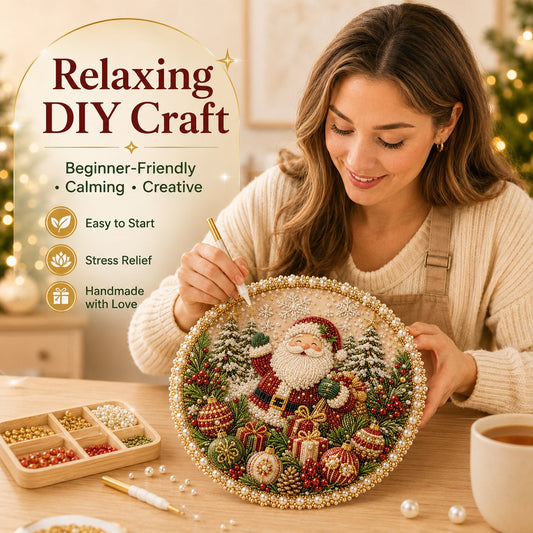
If your adult child already enjoys hands-on seasonal projects or Christmas keepsakes, browse Niceovo’s Christmas collection. Confirm the individual listing, options, skill level, display or storage fit, and current delivery details before choosing.
Christmas gift FAQs for parents of adult children
What should I give an adult child who says they want nothing?
Clarify whether “nothing” means no physical objects, no spending, or no gift exchange. Respect the answer. If a gesture is welcome, consider a letter, planned time together, an exact consumable they use, a repair they requested, flexible help, or a donation to a cause they selected. Do not override a clear boundary in the name of surprise.
Is cash an impersonal Christmas gift for an adult child?
Cash can be thoughtful when flexibility is what the recipient wants. Connect it to a named goal without controlling how it is used, and include a personal note. If you want part of the gift to be unwrapped, pair the contribution with a card, family recipe, photo, or small exact favorite rather than an unrelated purchase.
How much should parents spend on Christmas gifts for adult children?
There is no universal amount. Set the full holiday budget first, choose a family structure people understand, and spend within your means. A useful request at a comfortable price is a stronger gift than an expensive mismatch. If siblings expect equal limits or major contributions differ, discuss the approach before the exchange.
Should I buy a separate Christmas gift for my adult child’s partner?
Ask what fits the family’s current tradition. A separate, modest gift can welcome a newer partner without pretending deep familiarity. A joint gift works when both people genuinely share the interest or household need. Do not label a gift mainly chosen for your adult child as a couple’s gift merely to cover both names.
What if my adult child will not make a Christmas wish list?
Ask for a direction instead of a product: something for daily life, something to do, or help toward a goal. You can also ask for one favorite store, service, restaurant, or platform. If they still prefer not to choose, use a known routine and select a flexible, returnable gift with low setup, storage, and scheduling demands.
Give for the life they live now
A thoughtful Christmas gift for an adult child begins with listening. Use the strongest clue available, respect the recipient’s home and choices, remove unnecessary work, and keep the plan inside a comfortable budget. When the object is uncertain, preserve choice; when the relationship is the gift, make the time or message specific. That is how a present can feel both grown-up and warmly connected to family.