Halloween Gift Ideas That Fit the Person: A Practical Guide
Share
The most useful Halloween gift is not simply the spookiest item you can find. It is something the recipient would already enjoy, adjusted to the way they celebrate the season. Start with their Halloween style, choose a gesture that fits your relationship, and decide whether the gift should last for one night, one October, or many years.
That approach works for a single present, a Halloween gift basket, a party-host thank-you, or a small non-candy surprise. It also prevents a common problem: buying a collection of orange-and-black objects that looks festive for a moment but creates work or clutter afterward.
Start with the four-part Halloween gift-fit test
Before browsing Halloween gift ideas, answer four questions. Each answer removes options that may be attractive in isolation but wrong for this recipient.
- How do they celebrate? A dedicated decorator, a horror-film fan, a party host, and someone who prefers a quiet fall evening want different versions of Halloween.
- What should the gesture communicate? A romantic partner may welcome a personal surprise. A coworker usually needs a smaller, more neutral gesture with no pressure to reciprocate.
- How long should the gift remain useful? Choose between a one-night experience, a seasonal ritual, a reusable object, and a consumable that leaves no storage problem.
- What could make the gift unsuitable? Consider age, available space, food restrictions, scent sensitivity, fear level, household rules, and how much you truly know about their taste.
Set a spending limit after those questions, not before them. Budget controls scale; it should not determine the idea. A well-chosen book, activity, or treat can feel more personal than a large basket of loosely related extras.
Match the gift to the recipient’s Halloween style
“Likes Halloween” is only a starting point. The more useful clue is what the person actually does during the season.
For the enthusiastic decorator
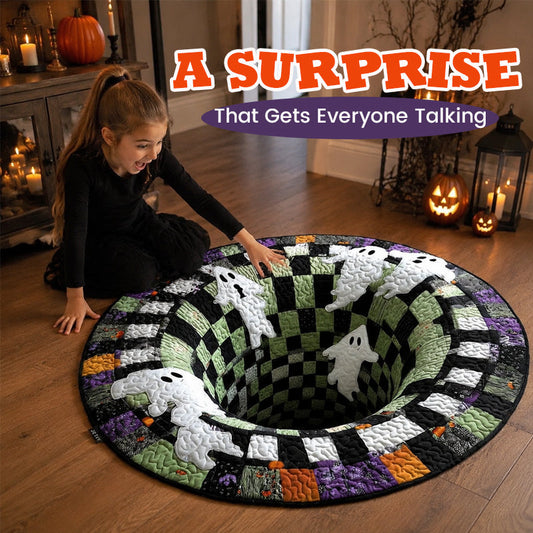
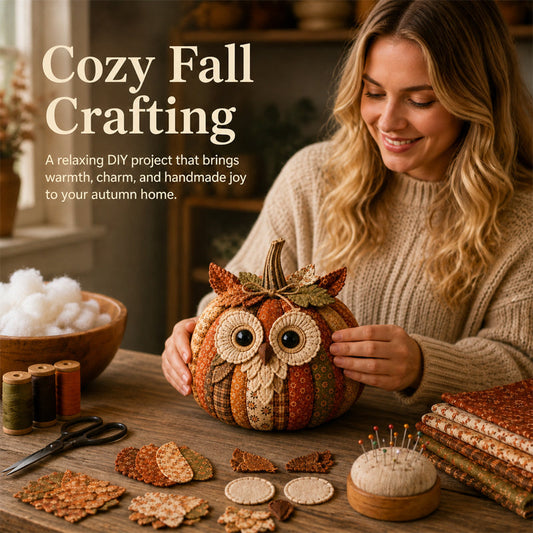
Choose a reusable accent only when you understand the recipient’s visual style and storage space. Someone who collects vintage-looking pumpkins may not want graphic horror décor, while a maximalist haunted-house fan may find a subtle autumn ornament too restrained. When you are unsure, use Halloween in the wrapping and choose a year-round object in the recipient’s usual style.
Large decorations, fragile pieces, and items that require installation carry more risk. They ask the recipient to display, protect, and store your taste. A compact textile, tabletop accent, or useful entertaining piece is easier to integrate, but it still needs to match the home.
For the cozy homebody
Build a specific night-in ritual rather than a generic “cozy” pile. A reading evening might combine a book in a genre they already enjoy, a bookmark, and a preferred drink. A movie night might pair a planned film with one sweet or savory snack and a comfortable item they will use beyond Halloween.
Be careful with candles, room sprays, skin care, and strongly flavored food. These can feel personal when you know the person’s preferences and become unusable when you do not. A scent-free or non-edible supporting item is a safer fallback.
For the horror, gothic, or camp fan
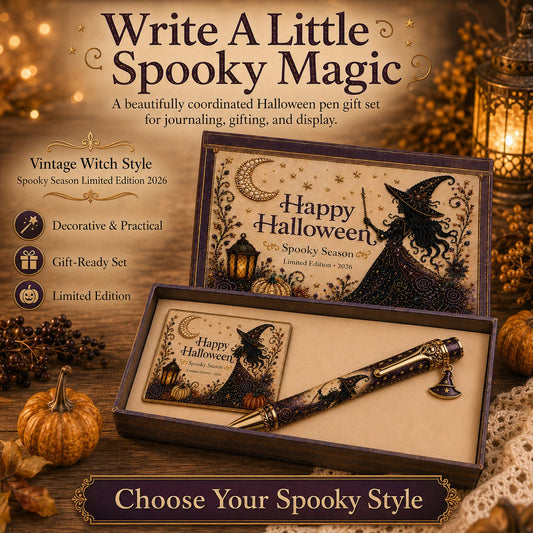
Specificity matters more than intensity. Confirm whether they prefer classic monsters, psychological horror, playful ghosts, slasher films, gothic literature, or another corner of the genre. A highly specific gift can be excellent when you know the exact franchise, character, edition, or aesthetic they follow. If you are guessing, choose an adjacent activity such as a themed game night or use removable Halloween presentation around a broader interest.
For the Halloween party host
A host gift should recognize the effort of hosting without adding another task during the event. Consider something for the host to enjoy later, a low-maintenance consumable they already like, or a reusable entertaining item that fits their home. Do not expect the host to open, serve, display, or explain the gift immediately.
If food or drink is involved, ask about preferences and restrictions in advance. When you cannot check, a non-edible thank-you or a simple note may be more considerate than a surprise the host cannot use.
For a family or child
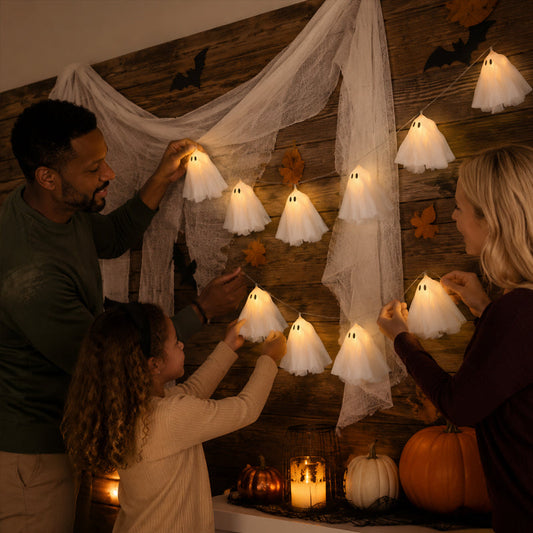
A shared activity often works better than several small novelties. An age-appropriate book, puzzle, craft, game, or decorating activity gives the gift a clear purpose and can become part of the family’s October routine. Match the activity to the child’s abilities and preferred fear level; “spooky” can mean silly ghosts to one child and a genuinely frightening experience to another.
Follow the age guidance and safety information on toy packaging. Small novelty items are not suitable for every age, particularly when younger children are present in the household. A gift for one child should also make sense in the environment where it will be opened and used.
For someone who only lightly celebrates
Keep Halloween in the presentation rather than forcing it into the object. A familiar favorite in a seasonal gift bag, a handwritten invitation to an autumn activity, or a modest treat can acknowledge the occasion without asking the person to adopt a new decorating style or holiday tradition.
Choose the right gift format before choosing the items
The format determines how much commitment, storage, and interpretation the gift requires. Pick the simplest format that carries your intended message.
A single focused gift
One item is a strong choice when you know a clear interest or need. It keeps the value visible and avoids filler. Let a short note explain the Halloween connection instead of adding several themed trinkets.
A spooky basket or boo basket
A spooky basket is a Halloween-themed assortment for a particular person. A boo basket often refers to a surprise left for a friend or neighbor, sometimes with an invitation to pass the gesture along. Because not everyone knows or wants the pass-it-along tradition, include a clear note and make participation optional.
Use a simple basket formula: one anchor, up to two supporting items, and one personal note. The anchor creates the purpose; the supporting items complete it. If an item does not support the same activity or preference, remove it.
| Recipient situation | Anchor | Possible supporting items | Check before giving |
|---|---|---|---|
| Reader who enjoys eerie stories | A book chosen for their reading taste | A bookmark and a preferred drink | Genre, edition, and whether they own it |
| Friend who loves movie nights | A planned Halloween viewing night | One sweet snack and one savory snack | Fear level, schedule, and food restrictions |
| Teen with a clear hobby | A useful hobby-related item | A seasonal snack and removable decoration | Current interests and whether the style feels too young |
| Family with younger children | An age-appropriate shared activity | A book or simple art material | Age guidance, small parts, mess, and supervision needs |
| Party host | A later-use thank-you aligned with their tastes | A note and one modest seasonal touch | Food, scent, alcohol, and household preferences |
The container does not need to be a basket. A gift bag, box, tote, bowl, or other container is useful only if it suits the contents or the recipient. Otherwise, simple packaging creates less storage pressure.
An experience or shared ritual
An experience is useful for someone who values time together or has limited space. Plan around an interest the recipient already has: a pumpkin-decorating afternoon, a home movie double feature, a neighborhood walk to see decorations, a baking session, a craft evening, or a visit to an attraction that fits their preferred fear level.
The invitation needs a realistic date, location, and effort level. “We should do something spooky” transfers the planning burden to the recipient; a concrete, flexible invitation feels more like a gift.
A consumable
A consumable can deliver seasonal fun without long-term storage, but only when it fits the recipient. Check food restrictions, alcohol preferences, scent sensitivity, and household needs. More variety is not automatically more thoughtful; one known favorite with seasonal presentation may be the more confident choice.
Use a relationship-appropriate level of intensity
Halloween gifts do not carry one fixed level of obligation. Scale the personalization, cost, and presentation to the relationship so the gesture feels warm rather than confusing.
| Recipient | Good direction | Common mismatch |
|---|---|---|
| Partner | A shared ritual or personal gift tied to a known interest | Using price as a substitute for attention |
| Close friend | An inside reference, hobby-based item, or focused spooky basket | Choosing the theme without considering their actual style |
| Teen | A current interest presented with a seasonal twist | A basket that feels designed for a much younger child |
| Coworker | A small, optional, workplace-appropriate token | Personal care, alcohol, graphic humor, or an expensive gesture |
| Neighbor | A modest household-friendly surprise with a clear note | An unexplained drop-off or pressure to continue a chain |
| Party host | A thank-you that can be enjoyed after the event | A gift that must be served, displayed, or managed immediately |
For a group such as a classroom or workplace team, consistency matters. Keep individual gifts similar in scale unless there is a clear, private reason not to. Avoid jokes about appearance, fears, beliefs, or personal circumstances; Halloween humor still needs to respect the setting.
Choose non-candy Halloween gifts with the same care as food
Non-candy can mean two different things: a substantial gift for a person you know, or a small non-food item handed to many trick-or-treaters. The second situation calls for simpler, broadly appealing choices and closer attention to age suitability.
For a known child, consider a book, coloring activity, craft material, game, wearable accessory, or another item matched to their age and interests. For trick-or-treat handouts, practical options may include stickers, bookmarks, pencils, or other small non-food choices, provided their packaging and parts are appropriate for the children likely to receive them.
Food Allergy Research & Education’s Teal Pumpkin Project uses a teal pumpkin or sign to indicate that non-food treats are available. If you offer both food and non-food choices, keep them in separate bowls. A non-food option can make the event more inclusive, but it still needs the usual checks for age guidance, small parts, and household suitability.
“Non-candy” does not automatically mean “allergy-friendly,” “healthy,” or “safe for every child.” Avoid making those promises. If you are giving edible treats to someone specific, ask the recipient or caregiver rather than guessing from a front-label claim.
Time the gift so the recipient can enjoy it
Give seasonal décor, books, activities, and wearables early enough in October for the recipient to use them before Halloween. A host gift belongs close to the event, while an experience needs enough notice for both people to plan. Personalized or made-to-order items require more lead time, so confirm the details before ordering rather than rushing an irreversible choice.
Presentation should clarify the idea, not inflate it. A small card can name the intended moment: a quiet reading night, a movie marathon, a party thank-you, or a shared family activity. If the gift itself is not Halloween-specific, ribbon, a tag, or removable packaging can carry the theme without limiting the object to one month.
For a doorstep boo basket, identify the intended household and make the delivery understandable. Do not leave perishable, fragile, or high-value contents unattended, and do not frame passing the gift forward as an obligation.
Avoid the six most common Halloween gift mistakes
- Starting with the motif instead of the person. A ghost, pumpkin, or black-cat design is not a preference by itself.
- Using filler to make a basket look larger. Repetition and random miniatures can hide the one item that carries the thought.
- Giving décor without considering storage. Seasonal objects occupy space for the rest of the year.
- Confusing surprise with uncertainty. The delivery can be a surprise even when you have already checked sizes, food needs, schedules, or interests.
- Making the gesture too intense for the relationship. A casual neighbor or coworker may appreciate a small token more than an elaborate, expensive basket.
- Treating children’s novelties as interchangeable. Age, abilities, small parts, noise, mess, and household rules all change whether an item is suitable.
Make the final choice in five minutes
Write one sentence describing the recipient’s October: “They host a playful costume party,” “They watch classic horror films at home,” or “They enjoy fall but rarely decorate.” Then choose one anchor gift that supports that sentence.
- Check that the idea fits the relationship and your planned spending limit.
- Decide whether a single gift already feels complete.
- If you are making a basket, add no more than two items that support the same use.
- Remove anything that creates uncertainty about taste, age, food, scent, space, or effort.
- Add a note explaining the intended moment, not the price or quantity.
A confident Halloween gift should make the recipient feel understood, not assigned a new holiday persona. When the gift matches how they already enjoy October, the seasonal theme becomes the finishing touch rather than the entire reason for the purchase.