What Are Good Christmas Gift Ideas for In-Laws?
Share
A good Christmas gift for your in-laws should reflect something true about them without pretending you know more than you do. Start with your partner’s knowledge of the family, the way this household handles holiday gifts, and one reliable clue about each recipient. Strong directions include an exact request, a known favorite, a flexible experience, a shared tradition, defined practical help, or credit for a place the recipient already uses. Let the recipient choose more of the details when your evidence is thin. Reserve a joint present for something whose value is genuinely shared; otherwise, treat your in-laws as individuals.
This approach can be more useful than searching for a supposedly universal mother-in-law or father-in-law gift. It also leaves room for surprise: the surprise can be the thoughtful note, presentation, or shared plan rather than an untested guess about taste.
Ask your partner for the family brief before you browse
Your partner may know which gifts have succeeded, what the family quietly avoids, and whether names, budgets, or traditions have already been discussed. A short conversation can prevent duplicate purchases and awkward mismatches. Settle these questions first:
- What is the exchange? Confirm who participates, whether gifts are expected, whether adults draw names, and whether the family gives one present per person, per couple, or per household.
- Who owns the clues? Decide who will ask for wish lists, coordinate with siblings, verify sizes or technical details, and notice items that have already been purchased.
- What are the boundaries? Check known food restrictions, alcohol preferences, scent sensitivities, limited storage, accessibility needs, travel plans, hobby specifications, and any family convention around price or personalization.
Do not make one partner the permanent gift manager for both families. A useful division is for each person to lead on the relatives they know best, while both agree on the budget and final message. If your partner says, “They will like anything,” ask for observable details instead: what do they choose for themselves, use repeatedly, talk about doing, or decline?
Use one family clue to choose and check the idea
Match how much you decide for the recipient to how much the family actually knows. “Likes cooking” is broad; “uses this exact coffee method every morning” points to a format, specifications, and duplicate check. Use the strongest available clue, then test the complete gift in the same row.
| Reliable family clue | Gift directions | In-law fit check |
|---|---|---|
| An exact request or wish-list item | The requested edition, replacement, hobby component, or contribution toward a planned purchase | Keep the model, size, color, format, and seller exact; coordinate with siblings to prevent duplicates |
| A known favorite they regularly use | The exact coffee, tea, pantry specialty, art material, garden supply, refill, or compatible accessory | Confirm brand, ingredients, alcohol preferences, quantity, storage, and what they already own |
| A shared interest, outing, or family tradition | A meal, performance, class, museum visit, local outing, or supplies for an established ritual | Leave room to schedule; state who is included and whether travel, companions, access needs, or fees remain |
| A memory that matters to the recipient too | A requested photo book, recipe with its story, small keepsake, or plan to revisit a meaningful place | Check privacy, spelling, dates, display space, and return limits before personalizing |
| A practical need they asked you to help solve | A requested tool, transportation, prepared meal, service credit, or one clearly defined task | Confirm that help is welcome, define the scope and timing, and avoid a gift that could sound like criticism |
| Very little beyond one broad preference | Credit for a place they use, a modest known consumable, a flexible invitation, or a direct choice between two directions | Check access, region, redemption terms, family custom, and whether the gesture is too personal for the relationship |
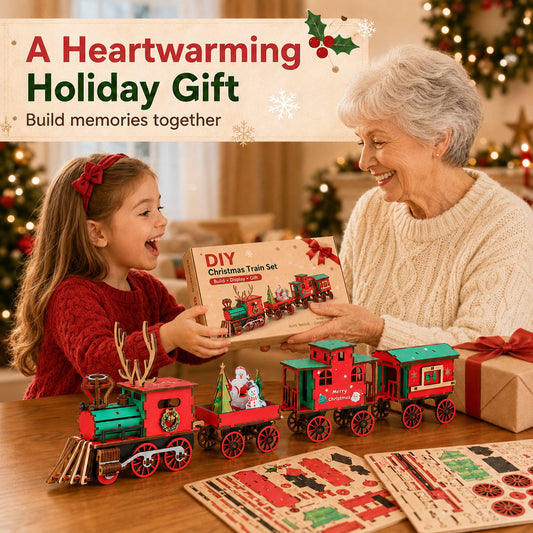
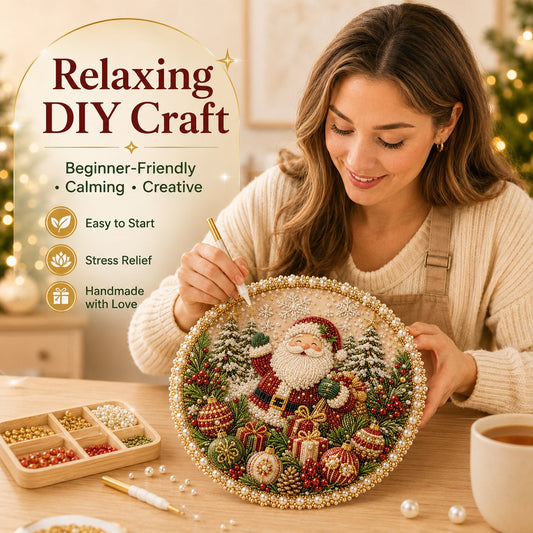
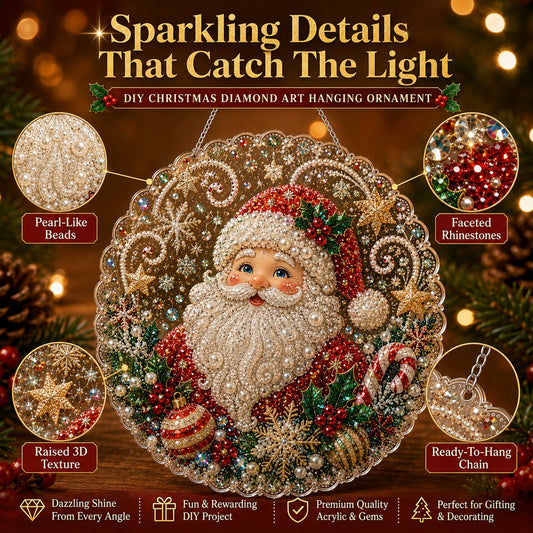
| An established interest in holiday crafts or decor | A kit or display piece matched to that exact style; if appropriate, browse Niceovo’s Christmas collection | Verify materials, tools, dimensions, cleanup, storage, current delivery information, and return terms |
| A request for no gifts or fewer possessions | No gift, a card, shared time, practical help, or another low-burden gesture they approve | Clarify whether the boundary means no exchange, no objects, or simply no expensive present |
Before choosing, count the work and cost the recipient would inherit: setup, maintenance, storage, subscriptions, extra tickets, shipping, return postage, or future payments. If the idea creates an obligation they did not request, change the format or let them choose more of the details.
Decide whether the gift should be joint or individual
Relationship labels do not decide the format; use does. A shared gift should offer shared value, not simply be addressed to two people.
| Format | Works when | Common mismatch |
|---|---|---|
| One individual gift for each in-law | The recipients have distinct interests, requests, routines, or access needs | Choosing one thoughtful item and one generic filler merely to make the counts match |
| One gift for a couple or household | Both people genuinely use or want the item, outing, food, or family activity | Buying for the person you know best and putting both names on the tag |
| One experience for the wider family | Participation is welcome and the schedule, travel, accessibility, and added costs work for everyone | Making one person coordinate the entire event or pay for necessary extras |
| A host gift plus a Christmas gift | You are staying in their home and want to thank the household separately from the holiday exchange | Assuming a bottle, flowers, or food for the gathering automatically replaces a personal gift |
| A gift from you and your partner together | You share the budget, message, and responsibility for choosing and following through | Adding both names after one partner did all the remembering, research, ordering, and wrapping |
Separate gifts do not need equal prices, but they should show comparable care. One exact low-cost favorite may be a better match than a more expensive object for the other person. If the family closely compares spending or package counts, agree on the structure with your partner before shopping rather than trying to correct the difference with an unnecessary extra item.
Match the level of intimacy to the relationship
New in-laws usually call for a warm, low-assumption gesture: an item tied to a verified interest, a household experience both people chose, or flexible credit with a specific note. Avoid clothing sizes, fragrance, intimate products, health messages, permanent decor, political or religious symbolism, and jokes that depend on a closeness you have not established.
With in-laws you know well, you can use more precise shared history, but familiarity still does not grant permission to redesign their home, manage their habits, or announce a major family plan through a gift. Ask before giving pets, travel that requires leave, recurring subscriptions, large objects, or anything that creates ongoing cost or care.
For formal, strained, or culturally unfamiliar relationships, let your partner explain the family’s conventions instead of relying on a generic etiquette rule. A courteous, modest gift can acknowledge the relationship without trying to make the object repair it. Confirm whether cash, alcohol, homemade food, charity gifts, or opening presents in public carries a meaning you may not expect.
Set one budget and delivery plan across both families
There is no universal dollar amount for an in-law gift. Start with what remains comfortable after regular obligations, then include travel, hosting, shipping, wrapping, exchanges, and gifts across both families. Agree on the couple’s total before one household establishes an accidental benchmark. If the list is too large, discuss drawing names, pooling contributions for requested gifts, setting a shared limit, exchanging only among children, or planning one activity before anyone buys.
For each order, verify the full delivered cost, production time, transit estimate, destination, return deadline, return postage, restocking fees, and exceptions for custom or discounted goods. For a long-distance delivery, confirm the address, the sender’s name on the message, and whether someone can receive anything perishable, valuable, or oversized. Save the order confirmation and include a gift receipt when available. If the item will arrive late, explain what is coming and give the best current estimate rather than turning uncertainty into a promise.
Build the final shortlist with six in-law checks
- Confirm who participates and whether gifts come from individuals, couples, or households.
- Write one verified clue for each in-law and note who can confirm the details.
- Decide whether each gesture is an individual present, shared gift, or separate host gift.
- Set a total budget across both families before comparing individual prices.
- Remove any option with unresolved taste, burden, compatibility, timing, or return risk.
- Coordinate duplicates, choose the easiest good option to receive, and add a specific message.
If you cannot complete the first step, ask. A request such as “Would you prefer something for an activity, something useful at home, or credit toward a place you already enjoy?” still leaves room for a thoughtful choice. Listening is not the opposite of surprise; it is what makes the surprise relevant.
Frequently Asked Questions
What should I bring for my first Christmas with my in-laws?
Ask your partner whether the family exchanges individual gifts, couple gifts, or only host gestures. Choose one warm, low-assumption present tied to a verified interest, and avoid intimate products, permanent decor, alcohol, unknown food, and expensive surprises unless your partner can confirm they fit.
What if my partner and I disagree about an in-law gift?
Pause the purchase and separate the disagreement into budget, recipient fit, and family custom. Agree on a shared spending ceiling, let the partner with stronger recipient knowledge verify the details, and choose a flexible option when neither case is well supported. Do not use the gift to settle a wider family conflict.
How should gifts work with divorced or remarried in-laws?
Confirm each household’s gathering and exchange separately. Do not assume one gift will travel between homes or that equal package counts are required. Use individual names, send to the correct address, include stepparents according to the relationship and family plan, and avoid gifts that imply taking sides.
What if my in-laws give a much more expensive gift than mine?
Thank them without apologizing or buying a rushed make-up gift. The considerate response is gratitude, not an immediate attempt to match the price. Later, ask your partner whether the family treats the amount as tradition or simply generosity, then set clearer expectations before the next exchange.
What if my in-laws celebrate a different holiday or do not celebrate Christmas?
Follow their stated practice rather than relabeling a Christmas gift. Ask your partner what occasion, timing, greeting, and exchange format are welcome. A neutral visit, meal, card, or no gift may fit better; avoid religious symbols, foods, or customs you have not confirmed.