What Are Good Halloween Gifts for Horror Fans?
Share
Good Halloween gifts for horror fans include a wanted film edition or soundtrack, a horror novel or art book, a character-specific collectible, wearable fandom, atmospheric décor, a game or creative activity, and a planned screening or spooky outing. The right category depends on what the recipient actually follows and how they enjoy it.
Start with the most precise clue you have: an exact film, character, creator, monster, subgenre, or era. Then match that clue to something the person already likes to watch, read, play, wear, display, or attend. Before buying, check for duplicates, incompatible formats, limited space, unknown sizing, fixed dates, and imagery that may be too graphic for the recipient or their household.
Start with what they love about horror
“Horror fan” is an umbrella, not a complete taste profile. A collector of classic monster films, a folk-horror reader, a slasher enthusiast, a psychological-horror gamer, and someone who loves cute ghosts can all enjoy the genre in different ways. Begin with an exact favorite if you know one. Otherwise, narrow by subgenre or mood, how the person participates in the fandom, and practical fit within their space, household, schedule, clothing preferences, and media setup.
An exact title plus a known activity creates a strong gift brief: “They collect physical editions of this film” is much more useful than “They like scary movies.” If all you know is the broad label, choose a flexible activity or let the recipient select the item instead of guessing at a franchise.
Choose a gift based on how much you know
| What you know | Good direction | Check before buying |
|---|---|---|
| Exact title, character, and preferred format | A wanted edition, soundtrack, art book, print, figure, or wearable tied to that favorite | Ownership, edition, format, dimensions, size, and source |
| Subgenre and fan activity | A book, game, décor piece, or event that fits both the horror lane and the way they participate | Content intensity, difficulty, player count, space, and schedule |
| Visual aesthetic but no favorite title | A subtle gothic, spooky-cute, classic Halloween, or monster-inspired object in a form they already use | Whether they want the aesthetic on clothing, at work, or in shared rooms |
| Only a general interest in horror | A planned movie night, shopping invitation, or flexible credit for a cinema, bookstore, game store, or retailer they use | Location, redemption terms, region, schedule, and whether the gesture still feels personal |
The most elaborate option is not automatically the most thoughtful. Choose the row supported by real knowledge, even if it leads to a modest gift. Scale the cost, permanence, and planning commitment to the relationship: a close partner or family member may welcome a personal collector piece or shared trip, while a coworker or casual acquaintance usually calls for a smaller, low-pressure choice.
Seven strong Halloween gift directions for horror fans
1. A collection upgrade with the exact details confirmed
For a film or music collector, consider a requested disc edition, box set, soundtrack, poster, or companion book. These gifts work when the recipient cares about the particular release, artwork, extras, or format. A famous title is not enough: confirm the edition and make sure their equipment supports the format. A photograph of the shelf, a wish list, or a direct question can prevent an expensive duplicate.
2. A reading or lore gift for the fan who goes deeper
Horror fiction, comics, graphic novels, anthologies, film histories, making-of books, and art collections suit different readers. Use their existing shelf as evidence. Someone who reads contemporary folk horror may not want a general movie encyclopedia, while a production-design enthusiast may prefer visual material to another novel. When you cannot confirm a title, flexible bookstore credit paired with a specific note preserves their choice without making the gift feel anonymous.
3. A collectible or display piece that has somewhere to live
Figures, framed prints, replica-style décor, plush characters, and small sculptures can be excellent for people who deliberately build a display. First check the exact character, scale, preferred look, and open shelf or wall space. For a crowded collection, a stand, frame, display accessory, or planned shopping trip may add more value than another uncertain centerpiece.
4. Apparel and accessories that fit their style
Apparel, pins, jewelry, bags, and other accessories can range from a quiet reference to unmistakable graphic art. Observe what the person already wears. Confirm size and fit for clothing, and consider where they would use the design. A fan may enjoy intense films without wanting bloody imagery on a work bag or sweatshirt.
5. Halloween or gothic décor matched to the home
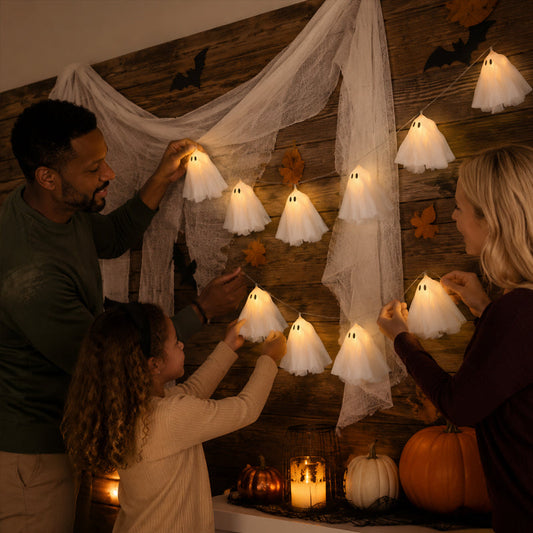
Décor is most suitable when the recipient already displays spooky, gothic, monster, or Halloween pieces. Choose between playful, atmospheric, franchise-specific, and graphic styles rather than treating them as interchangeable. Check dimensions, placement, setup, shared-household preferences, and whether the piece is meant for October or year-round display.
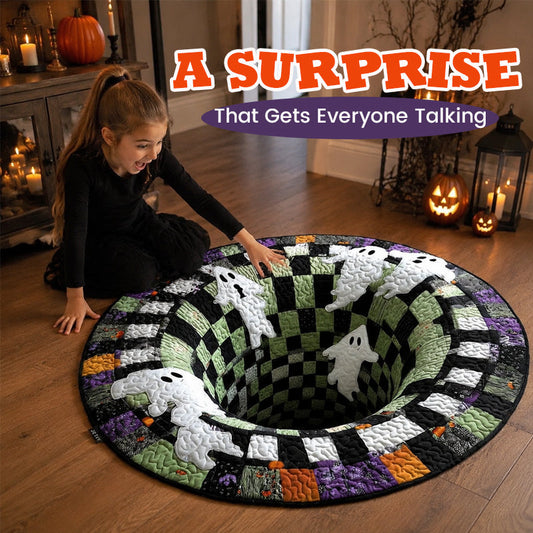
For a recipient who genuinely enjoys seasonal décor, the Niceovo Halloween collection can be a starting point. Use the current listing to compare the mood and practical footprint of an item, and skip this route when the person does not like decorating.
6. A game, puzzle, craft, or creative horror project
Interactive gifts suit fans who would rather do something than add another object to a shelf. Options include horror-themed tabletop games, puzzles, model or art projects, horror illustration, miniature-set building, and a planned costume-design session. Match the activity to skill level and available time, then check required supplies, platform or base-game requirements, player count, and whether the recipient wants to do it alone or with others.
7. A screening, event, or shared Halloween experience
A cinema screening, convention, haunted attraction, escape-room-style activity, themed exhibition, or carefully planned home double feature can avoid duplicate merchandise and create a specific occasion. An experience still needs recipient fit. Confirm location, date flexibility, intensity, accessibility, travel, and whether the person wants a companion. State what the gift covers so the recipient is not handed an unexpected bill or a planning chore.
Match the scare level to what they display, not only what they watch
Watching frightening or graphic stories does not necessarily mean someone wants the same imagery on a wall, shirt, or kitchen item. Use the recipient’s visible choices to place the gift in one of four broad styles:
- Spooky-cute: friendly ghosts, cartoon monsters, playful bats, and light Halloween humor.
- Atmospheric or gothic: haunted-house details, ravens, shadowy artwork, ornate forms, and dark botanical motifs.
- Franchise-forward: a recognizable title, character, symbol, quotation, or visual reference from a confirmed favorite.
- Graphic or disturbing: gore, explicit injury, threatening imagery, or realistic effects that belong only where that display preference is known.
If the recipient shares a home, office, or dorm, consider the people who will see the gift. A private book or disc creates less household friction than a large graphic display. When the evidence is mixed, move toward a subtler design rather than assuming more frightening means more authentic.
Help a horror collector without guessing at another collectible
Collectors often care about distinctions that are invisible to an occasional shopper: release, format, scale, packaging, condition, artist, or place within an existing set. The surprise can be the presentation or timing; the exact item does not need to be a secret.
- Ask for three wish-list options and choose one.
- Check a shelf photograph for the exact edition, not merely the title.
- Choose a frame, stand, case, storage aid, or display accessory only after confirming dimensions.
- Offer credit from a retailer the collector already trusts and explain the fandom detail you remembered.
- Plan a screening, convention visit, or shopping afternoon when an object would be too uncertain.
Be cautious with signatures, rare editions, and claims of authenticity. If the source cannot provide information the collector would consider credible, choose a different gift rather than paying for a label you cannot evaluate.
Make a small horror gift feel deliberately chosen
A limited budget is easier to work with when the gift has one clear connection. Combine three elements: a precise reference, a real use, and a short message.
- Precise reference: the recipient’s favorite monster, film era, author, visual style, or recurring Halloween ritual.
- Real use: something for a book, jacket, desk, shelf, movie night, game table, or October outing.
- Short message: one sentence that explains why this detail made you think of them.
A pin linked to a favorite creature, a bookmark for a gothic-fiction reader, a compact print for an established gallery wall, or one known movie-night extra can feel complete without filler. If the reference is uncertain, spend the budget on the shared plan and the note instead.
Run the final five checks
- Fandom: Can you name the title, subgenre, creator, mood, or activity that connects the gift to this person?
- Ownership: Have you checked the exact edition, version, size, or item they already have?
- Use: Does the format work with their equipment, space, clothing preferences, schedule, and household?
- Intensity: Does the imagery match what they wear or display, not just what they are willing to watch?
- Occasion: Can they enjoy the gift around Halloween, or is its year-round value clear enough that the date does not matter?
If all five answers are clear, choose the most direct option within your budget. If only the fandom is clear, preserve choice with a trusted retailer, a wish-list selection, or a planned outing. If even the fandom is vague, a flexible Halloween activity is more considerate than random horror merchandise. The goal is to show that you noticed how this person enjoys horror—not simply that you noticed the word “horror.”
Frequently Asked Questions
Are horror gifts only appropriate at Halloween?
No. A film, book, game, collectible, or artwork tied to an established horror interest can suit a birthday or another occasion. Halloween adds useful timing for seasonal décor, screenings, costumes, and haunted events, but a lasting gift should still reflect something the recipient enjoys beyond one night.
Is a horror subscription a good gift?
It can be when the content format fits the recipient and the service works in their location. Review the current device or delivery requirements, start date, content scope, renewal and cancellation terms, and whether the person already subscribes. Do not assume every streaming, magazine, or book-box service offers the same gifting controls.
What is a good last-minute Halloween gift for a horror fan?
Choose a flexible option tied to a known interest: credit for a cinema, bookstore, game store, or trusted retailer; a movie night with two possible dates; or an item from the recipient’s wish list that is available locally. Confirm redemption, platform, format, and region details before sending digital access, and avoid guessing at a franchise because time is short.
How should I choose a horror gift for a teenager?
For a film or game, check its official age rating and content descriptors; for a book or event, review the publisher’s or organizer’s guidance. Apply household rules and ask about the teenager’s individual comfort with gore, frightening themes, and live scares. Enjoying one horror title does not establish comfort with every subgenre or intensity level.
What should I check before buying signed horror memorabilia?
Ask what kind of provenance or certification the collector trusts, request the available documentation or verification number, and review the seller’s current return terms. Confirm the exact signer, item, edition, and condition. If you cannot evaluate the evidence, choose an unsigned wish-list item or recipient-directed credit instead.