What Are Unique Halloween Gifts Besides Candy?
Share
Unique Halloween gifts besides candy include a custom spooky portrait, a mystery-night invitation, a Halloween challenge built around the recipient's hobby, an exact book or game, a reusable decoration for a known collector, a practical object with subtle eerie details, or a family project with one clear outcome. The strongest choice does more than remove candy: it replaces the job candy was meant to do with something this person will actually enjoy.
This guide focuses on gifts for a person you know, not bulk favors for a crowd. If you need non-candy trick-or-treat handouts, use the separate guidance near the end; a small handout and a personal Halloween present require different standards.
First decide whether you mean non-candy or non-food
A gift can be free of candy and still contain food. Tea, popcorn, savory snacks, baking ingredients, and drink mixes may suit someone whose only request is “no candy,” but they do not solve an allergy, dietary, ingredient, or food-storage concern.
If the reason for avoiding candy involves food safety or a medical need, choose a non-food gift unless the recipient or caregiver confirms a specific packaged food. Do not treat “non-candy,” “sugar-free,” or “homemade” as a promise that an edible gift is appropriate. For a non-food present, scent, skin contact, age guidance, and small parts can still matter.
Replace the job candy was meant to do
Candy is popular because it is immediate, festive, easy to share, and simple to understand. A good alternative keeps the useful part of that experience without copying the candy-bag format.
| If candy was meant to... | Use this gift route | Example | Confirm first |
|---|---|---|---|
| Create an instant surprise | A short reveal or one-sitting activity | A clue envelope that leads to a tabletop mystery, puzzle, or movie choice | Difficulty, fear level, and available time |
| Give you something to share | A planned experience | A pumpkin-decorating evening, ghost walk, escape room, or home double feature | Date, location, accessibility, and who is included |
| Signal that it is Halloween | A familiar interest with seasonal presentation | An exact hobby item wrapped with a removable bat, ghost, or pumpkin tag | Version, compatibility, and ownership |
| Fill a basket | One useful anchor with one enabling extra | A confirmed craft kit plus the one tool it does not include | Skill level, included supplies, space, and cleanup |
| Leave no long-term storage | A time-limited plan or flexible choice | Admission, rental credit, or a scheduled neighborhood decoration walk | Redemption terms, travel, schedule, and recipient interest |
This framing also makes “unique” easier to judge. An unusual object is not automatically a good gift. A familiar format can feel distinctive when the subject, timing, or shared plan could only have been chosen for this recipient.
Nine Halloween gift directions that do not depend on candy
Use these as complete directions, not a checklist to combine. One well-matched idea is usually stronger than a basket containing a little of everything.
1. Commission a portrait with a spooky point of view
Ask an artist to reinterpret the recipient, their pet, home, or friend group in a style they already enjoy: playful ghosts, gothic silhouettes, vintage monster art, or theatrical camp. The personal subject makes the gift specific; Halloween supplies the lens.
Choose this only when you can provide a suitable reference image and understand the recipient's visual taste. Confirm the artist's lead time, revision terms, finished format, framing needs, and permission before using a photo that includes other people.
2. Give an October plan with the logistics already solved
An experience feels like a gift when the giver does the planning. Offer a particular date or two, name the place or at-home activity, explain what is covered, and make rescheduling easy. Possibilities include a local ghost tour, an escape room, a classic horror screening, a costume exhibit, a pumpkin-carving afternoon, or a deliberately not-scary fall outing.
Match intensity to the recipient rather than to your own definition of Halloween. Check travel, mobility, noise, start time, age restrictions, and whether surprise admission would create pressure to attend.
3. Add one Halloween rule to a hobby they already have
Turn an existing interest into a seasonal challenge. A photographer might get a nine-prompt nighttime photo walk. A reader might receive an exact eerie title plus a note proposing a one-night read-along. A gardener could use a sketching prompt for next year's moonlit border. A tabletop gamer might enjoy a short mystery chosen for the group's usual player count.
The gift should support the hobby, not merely display a pumpkin. Include only the equipment, title, or material the recipient is likely to use, and make the Halloween prompt optional.
4. Choose one exact book, game, puzzle, or maker kit
A focused activity gives the recipient something to do after the wrapping is gone. Specificity is the advantage: choose the exact edition, format, player count, subject, or skill level rather than assuming that anyone who likes Halloween wants the same horror novel or craft.
Before buying, check whether they own it, whether all required parts are included, how long it takes, how much workspace it needs, and whether its difficulty fits. For a child, follow the maker's age guidance and other safety information on the packaging.
5. Give reusable decor only to someone who likes decorating
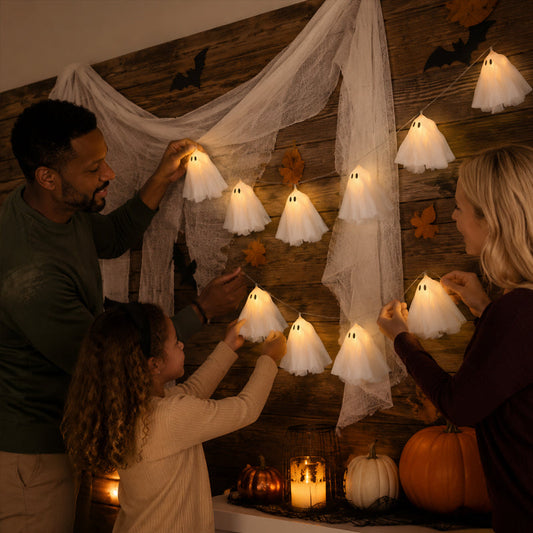
A compact tabletop piece, light, textile, or garden accent can become part of an annual October ritual. It is a poor surprise for someone with limited storage or a highly specific home style. Use evidence from what the recipient already displays: playful, gothic, rustic, graphic, subtle, or deliberately frightening.
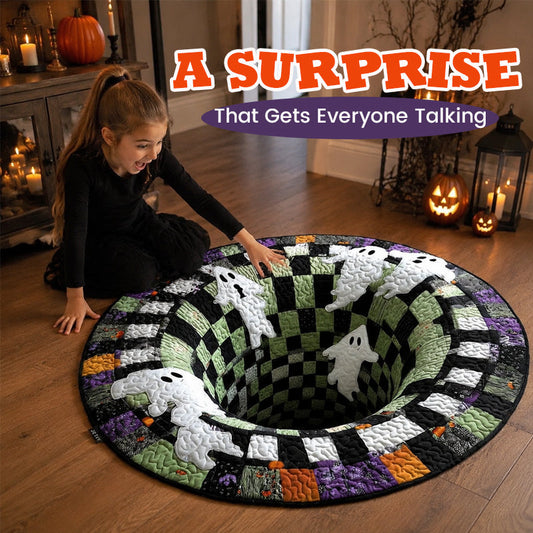
If this route fits, you can compare the current Niceovo Halloween collection by size, setting, power needs, materials, and storage burden. Recheck the live product page before ordering; do not choose decor only because it is seasonally on theme.
6. Put a subtle Halloween detail on a useful object
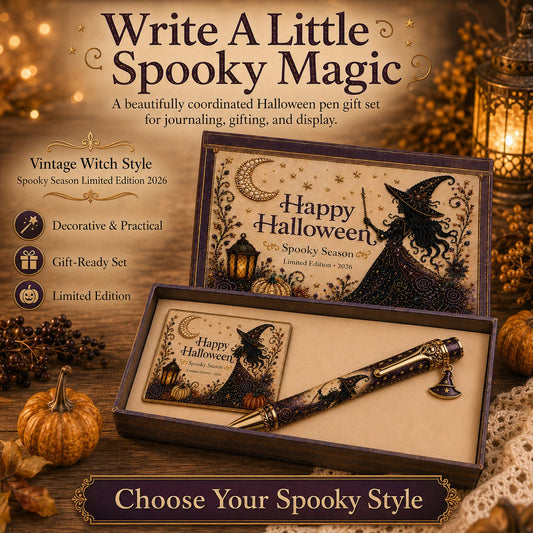
For someone who enjoys the season but does not want more decorations, start with an object they already use. A pen set, bookmark, kitchen tool, tote, desk item, or garden accessory can carry a restrained bat, raven, moon, or ghost detail without becoming a one-month novelty.
Function comes first. Confirm the size, material, care requirements, compatibility, and whether the recipient would choose that object without the motif. Avoid personal-care, scented, or wearable items when preferences are uncertain.
7. Build a personalized mystery or photo scavenger hunt
Create five to seven clues based on shared memories, familiar places, or the recipient's interests. The final reveal can be a planned activity, a handwritten message, or one small gift. This can work in printed envelopes, by scheduled messages, or as a walk you complete together.
Keep the route voluntary and easy to understand. Do not send someone to a private, unsafe, inaccessible, or unfamiliar location, and do not make the final clue depend on a stranger's cooperation. The pleasure should come from recognition, not from confusion.
8. Give a family project with one visible finish
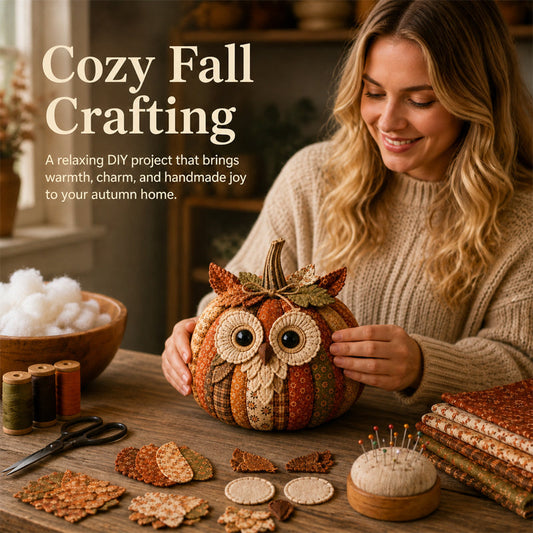
Choose a project that produces a clear result: one decorated pumpkin, a window silhouette, a short stop-motion scene, a tabletop display, a family costume prop, or a small model. A defined outcome makes the gift feel complete and avoids a loose bag of craft supplies.
Match the project to the youngest participant's abilities and the household's tolerance for mess, noise, tools, and storage. Include genuinely required materials, state the likely time commitment, and let an adult control cutting, heat, or other steps that are not appropriate for a child.
9. Turn a memory into a no-clutter Halloween gift
Use a shared October memory as the anchor: a short sequence of photos, a recorded story, a playlist with a personal introduction, or a card that recreates an old tradition on a new date. Pair it with a concrete plan only if the recipient would welcome the time together.
This route is especially useful for long-distance friends or people who have little storage space. Protect privacy, avoid posting the gift publicly without permission, and choose a file format or delivery method the recipient can open easily.
Match the gift to how much you actually know
Your confidence should determine the level of specificity. Do not guess harder just because you want the surprise to feel original.
- You know the exact item, version, or artist.
- Give the specific object. A clear match can stand alone; a note can explain the Halloween connection.
- You know one reliable interest but not the exact product.
- Choose an experience, a low-risk project, or a flexible choice within that interest. Preserve the recipient's control over style, size, edition, or date.
- You know very little about their taste.
- Keep the gesture modest. Offer a simple invitation, a neutral practical token, or a choice between two clearly described plans. Halloween packaging can carry the season without making the object intimate.
Relationship changes the scale too. A commissioned portrait may suit a partner or close friend, while a coworker or new neighbor may be more comfortable with a small, optional gesture. Price does not correct a weak match; it can make the mismatch harder to decline.
Run the two-sentence originality test
Before buying, complete these sentences: “This is for them because they regularly...” and “They can enjoy it by...” If your first answer mentions only that it is Halloween, the idea is themed but not yet personal. If the second answer is unclear, the gift may create storage, planning, setup, or compatibility work.
- Confirm the recipient's interest, preferred fear level, and relationship-appropriate budget.
- Check exact dimensions, format, materials, included parts, and lead time where relevant.
- Remove any extra that does not help the same activity or use.
- For a child, follow age and safety information and consider younger children in the household.
- Add a short note that explains the connection without creating an obligation to reciprocate.
A unique Halloween gift does not need to be bizarre or expensive. It needs a reason to belong to this recipient, a realistic way to be enjoyed, and just enough seasonal character to make the moment feel like Halloween.
Frequently Asked Questions
What can I put in a Halloween basket besides candy?
Choose one activity or interest as the anchor, add one item that enables it, and finish with a personal note. An exact book with a useful reading aid, a mystery game with a proposed game night, or a craft kit with its one missing tool will feel more coherent than a basket of unrelated seasonal fillers.
What is a good Halloween gift for someone who dislikes scary themes?
Choose a playful or autumnal route instead of horror: a pumpkin project, a fall photo walk, a cozy mystery game, a subtle moon or raven detail on a useful object, or a familiar hobby gift in removable Halloween packaging. Let the recipient's usual taste set the mood rather than assuming Halloween must be frightening.
When should I give a Halloween gift?
Give decorations, books, games, and projects early enough in October for the recipient to enjoy them before Halloween. Bring a host gift close to the event, and offer an experience with enough notice to choose or change the date. Commissioned, personalized, or shipped gifts need extra lead time, so check production and delivery details before ordering.
What should I give a child for Halloween instead of candy?
Ask the caregiver and choose an age-appropriate book, puzzle, art material, game, or project that fits the child's interests and abilities. Follow the age guidance and safety information on the packaging, check for small parts, and consider younger children who may also be present in the household.
What can I hand out to trick-or-treaters besides candy?
Possible non-food handouts include stickers, bookmarks, pencils, crayons, stencils, or other age-suitable items with clear packaging. If you offer both food and non-food choices, keep them in separate bowls; a teal pumpkin or Teal Pumpkin Project sign can indicate that non-food treats are available. Follow product age guidance and avoid small-part items for young children.