When Should You Start Christmas Shopping for 2026?
Share
Christmas Day 2026 falls on . If you are thinking about gifts in August, start planning now, but do not assume every gift should be purchased now. Early planning gives you time to set a budget, notice better clues, discuss family expectations, and identify long-lead gifts. The right purchase date comes later: buy when the recipient fit, complete cost, production time, delivery route, and return terms are clear.
That distinction keeps anticipation from becoming a four-month shopping campaign. A useful Christmas plan creates more room for meaning and fewer rushed decisions; it does not require filling a closet with uncertain gifts before fall begins.
Start planning now, but let each gift earn its purchase date
A calendar can tell you how much time remains before Christmas, but it cannot tell you whether a particular gift is ready to buy. Before checking out, test the idea against four practical questions.
| Question | Ready to buy | Reason to wait |
|---|---|---|
| Is the recipient fit clear? | You know the exact interest, format, size, version, or experience they would welcome. | The idea depends on a guess, a changing size, a passing interest, or a relationship assumption. |
| Does the complete cost fit? | The item, tax, shipping, accessories, wrapping, and any future expense fit the season's total budget. | The advertised price hides setup costs, travel, subscriptions, supplies, or pressure to spend more elsewhere. |
| Can it be ready for the real exchange? | Current production, approval, delivery, and handoff information support the date you need. | The seller's timing is unclear, the address is unconfirmed, or the gift depends on an unsettled event. |
| Will purchase protections still be useful? | You have checked the return deadline, exclusions, proof-of-purchase needs, and when any warranty begins. | Buying now would leave little practical time to correct a fit, compatibility, or quality problem after the gift is opened. |
If one answer is missing, keep the idea without committing to the order. Record the missing fact and the next action, such as asking for a size, checking an address, comparing the complete cost, or waiting for current holiday terms. That turns uncertainty into a task instead of an impulse purchase.
Use four clocks instead of one universal shopping date
The best time to buy a Christmas gift depends on which of four clocks is moving fastest. Some gifts need months of lead time; others become less suitable when purchased too soon.
The recipient clock
Ask how likely the recipient's needs, interests, size, schedule, address, or household situation are to change before the exchange. A requested book edition or a known collectible may remain stable. Clothing for a growing child, technology for an unsettled setup, or a gift tied to a new hobby may need a later check. Early observation is useful even when early buying is not.
The creation clock
Personalized, made-to-order, commissioned, and handmade gifts can require decisions before standard gifts do. Count design approval, spelling or photo checks, production, corrections, and finishing time as separate steps. If you are making the gift yourself, allow time for a test attempt and replacement materials rather than assuming the first version will be ready to wrap.
The delivery clock
Work from the actual exchange date and destination, not only December 25. A work exchange may happen earlier, a long-distance package may need to arrive before the recipient travels, and an in-person gift may need to fit in luggage. Use the seller's current processing estimate and the chosen carrier's current guidance when you order. Do not reuse a previous year's holiday cutoff as a 2026 promise.
The protection clock
Return periods, exchange rules, marketplace dispute windows, and warranties may begin at purchase or delivery. Their details vary, so review the current terms for the exact seller and item. Keep the product description, order confirmation, receipt, promised timing, and return instructions together. An early purchase is less helpful if the recipient cannot reasonably correct a problem after opening it.
Build the 2026 plan around the actual gift handoff
Reverse planning is more reliable than choosing an arbitrary shopping day. Start with when the recipient must have the gift, then work backward through every step that can consume time.
- Name the handoff date. Use the party, trip, shipping date, school break, family gathering, or private exchange that matters to this gift.
- Choose the delivery route. Decide whether you will carry it, mail it yourself, send it from the seller, deliver it digitally, or schedule an experience.
- Check the current fulfillment path. Include personalization approval, production, seller processing, transit, pickup, and any action the recipient must take.
- Add a correction window. Leave room to fix spelling, damage, fit, compatibility, an incomplete order, or a missed delivery attempt.
- Set a private decision date. This is the latest comfortable day to order that specific gift, not a universal deadline for the entire list.
For example, a gift exchanged at an early-December gathering has less time than one opened on Christmas morning, even though both are Christmas gifts. A digital invitation to choose a January activity may need almost no shipping time but much more schedule coordination. Timing follows the gift's route.
What to do from August through December 2026
Use each month for a different kind of progress. The goal is not to finish as early as possible; it is to move from open questions to confident decisions before urgency takes over.
| Month | Main planning move | Buy or commit when | Anticipation without pressure |
|---|---|---|---|
| August | List recipients and exchange dates, set the whole-season budget, and note what you already know. | A stable, wanted gift has a genuine long lead time and passes every readiness check. | Start a private clue list and recall one shared story or tradition for each close recipient. |
| September | Resolve family gift rules, update wish lists and addresses, and turn vague ideas into two or three directions. | Personalization, handmade work, reservations, or distant delivery requires action and the details are confirmed. | Invite an easy family conversation about what would make this Christmas enjoyable. |
| October | Recheck sizes, versions, compatibility, total costs, seller information, and the longest delivery routes. | The gift is unlikely to change and the purchase terms still protect the recipient at handoff. | Begin a handmade element, card, photo selection, or presentation detail that carries the personal meaning. |
| November | Complete confirmed standard gifts, compare real total prices, and review holiday return and delivery information. | A promotion improves the price of an already suitable gift; the promotion does not choose the gift for you. | Plan the exchange moment, wrapping approach, or shared activity instead of expanding the list. |
| December | Stop speculative browsing, track active orders, wrap and label purchases, and use lower-risk alternatives for unresolved gifts. | The route remains credible; otherwise choose a local, digital, flexible, or later-dated option that you can explain honestly. | Shift attention from acquiring more gifts to messages, meals, visits, and the traditions you wanted time to enjoy. |
Match the purchase date to the gift type
Different gifts carry different kinds of timing risk. Use the category as a prompt for questions, not as a fixed rule.
| Gift type | Useful early action | Commit when | Reason to delay or recheck |
|---|---|---|---|
| Personalized or made to order | Confirm wording, spelling, photos, dimensions, design approval, and intended display or use. | The recipient fit and every custom detail are settled, and current production and delivery timing support the handoff. | Customization limits returns, or an uncertain date, image, size, or relationship message could make the gift wrong. |
| Handmade by you | Test the method, list materials, and estimate active work, drying, finishing, and packing time. | The project fits your actual schedule and the recipient would value the finished result. | The gift depends on learning a difficult technique under a holiday deadline or creates an unwanted care burden. |
| Clothing or fitted items | Record exact size, preferred cut, color, material needs, and seller. | The fit information is current and the exchange or return window remains useful after opening. | The recipient is growing, their needs may change, or you are guessing from appearance. |
| Technology or accessories | Identify the exact device, model, account, region, connector, and required extras. | Compatibility is verified and the recipient wants that ecosystem or setup. | A new model, changing device, short protection window, or hidden subscription could change the decision. |
| Food, flowers, or other perishables | Check preferences, allergies when relevant, storage, delivery access, and the serving date. | The seller's current dispatch plan matches the recipient's availability and safe storage needs. | Buying early reduces freshness or the recipient may be traveling when the delivery arrives. |
| Tickets or experiences | Check interest, location, accessibility, companion costs, schedule, restrictions, and cancellation terms. | The recipient can use the date or has enough flexibility to choose it. | The gift assigns travel, childcare, time off, or extra spending the recipient did not request. |
| Long-distance gifts | Confirm the full address, recipient availability, parcel limits, and whether direct delivery removes a shipping step. | The current seller and carrier information supports the route with room to correct a problem. | The address, customs requirements, pickup conditions, or delivery promise is unresolved. |
Use August to make Christmas feel closer, not busier
Anticipation grows from attention. In August, the most valuable gift work may be noticing which mug a parent reaches for, which hobby a friend keeps returning to, or which annual activity a partner wants to repeat. Write down the clue and its context. A product name without context can become stale; a reason the recipient would enjoy it remains useful when you compare options later.
Early conversations can also remove pressure before money is spent. Ask whether the family wants to draw names, set a comfortable limit, focus on children, exchange one shared gift, or skip presents in favor of time together. These choices affect the number and scale of gifts, so they belong before the shopping list.
A low-pressure August example
Imagine that Jordan has seven people on a 2026 Christmas list. In August, Jordan records the actual exchange date for each person, sets one total gift budget, and adds one reliable clue beside every name. One handmade gift needs a trial run, so work begins now. A relative's clothing size may change, so that idea stays on the list without being purchased. A long-distance friend's address needs confirmation, so Jordan schedules a check for October. By the end of the hour, only one gift is ordered, but the whole season is easier to see.
The early win is clarity, not a stack of parcels.
Avoid the hidden costs of buying too early
Starting early can reduce urgency, but it can also create new problems when the date becomes the only reason to buy. Before storing a purchase for several months, check for these hidden costs:
- Expired usefulness: a size, interest, device, address, or schedule changes before December.
- Reduced recourse: a return, exchange, dispute, or warranty period is already running while the package stays unopened.
- Storage risk: the gift is fragile, perishable, heat-sensitive, difficult to hide, or easy to forget.
- Duplicate risk: another giver buys the same requested item because nobody coordinates or marks it as claimed.
- Budget drift: early purchases disappear from memory, so later shopping quietly exceeds the original total.
- False savings: a discount persuades you to buy an uncertain gift that would not have made the shortlist at full price.
Keep one private record with the recipient, item, seller, amount paid, order date, expected delivery, storage location, return deadline, and whether a gift receipt is available. Update the running total every time you buy. The system can be simple; it only needs to prevent a purchase from becoming invisible.
Turn early ideas into a useful Christmas shortlist
For each recipient, keep no more than a few distinct directions and attach a reason to each one. A direction might be something requested, something that supports an established hobby, a shared experience, a useful replacement, a consumable they already enjoy, or a low-burden keepsake. Then remove any option that fails on taste, space, setup, maintenance, compatibility, schedule, delivery, or returns.
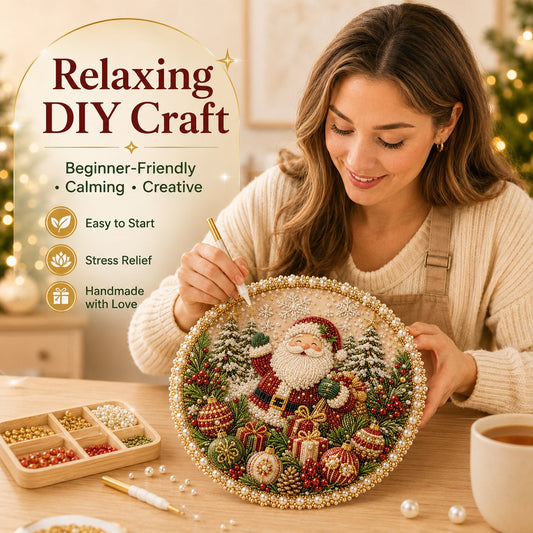
If a recipient already enjoys Christmas craft projects, ornaments, or seasonal decor, you can compare those directions in Niceovo's current Christmas collection. Treat the collection as a starting point, not proof that a particular item fits. Check the selected listing, current availability, dimensions, materials, included components, production or processing information, delivery estimate, and return terms before ordering.
When two options remain, choose the one with the clearest recipient evidence and the fewest hidden obligations. A slightly less dramatic gift that fits immediately is often more thoughtful than a striking idea that asks the recipient to find space, buy accessories, learn a system, or rearrange a schedule.
Use one rule for the rest of the 2026 season
Plan as early as you like; purchase when the gift is ready. In August, build the budget, recipient list, exchange map, and clue file. In the months that follow, let recipient certainty, creation time, delivery time, and purchase protections determine which ideas move forward.
Finish every purchase with three actions: record it, store it safely, and schedule the next check. That check might be confirming delivery, testing an item within the seller's rules, adding a gift receipt, or reviewing the plan before the return deadline. When December arrives, the list should be smaller because decisions have become clearer, not because an early-shopping rule forced every gift into a box.
Frequently Asked Questions
Should I wait until Black Friday to buy Christmas gifts?
Do not make Black Friday the starting point for your gift decisions. Build a recipient-based shortlist and note normal prices first. If a November promotion lowers the complete cost of an already suitable gift, and the current delivery and return terms work, it may be a useful time to buy. A sale is not a reason to accept the wrong size, version, seller, or gift.
How early should I order a personalized Christmas gift?
Work backward from the actual exchange date using the seller's current production estimate, design approval steps, correction time, delivery estimate, and a reasonable buffer. Order only after spelling, dates, photos, dimensions, and the recipient's likely use are confirmed. There is no universal personalized-gift cutoff because processes, destinations, and seller terms differ.
Which Christmas gifts are risky to buy several months early?
Be cautious with changing sizes, fast-moving interests, technology tied to a device or account, perishables, dated tickets, short return windows, and items that are hard to store safely. Research can begin early, but delay the purchase until the unstable detail is confirmed and the recipient will have a practical way to exchange or use the gift.
How can I keep early Christmas purchases organized and secret?
Use one private list with the recipient, item, cost, seller, order date, delivery status, return deadline, and hiding place. Store gifts in labeled outer containers rather than wrapping them immediately if you may need to inspect or return them. Avoid shared shopping accounts or notifications when they would reveal the surprise, and review the list before buying anything else.
What if 2026 holiday shipping cutoffs are not posted yet?
Create a provisional plan from the gift's handoff date, destination, seller processing time, and ordinary delivery estimate, but do not present it as a carrier promise. Recheck the seller and chosen carrier when their current 2026 holiday guidance is available. Leave room to correct a problem, and prepare a local, digital, or later-dated alternative if the route becomes too uncertain.